Why Star Trek Features Literal Demons Called Pah-wraiths
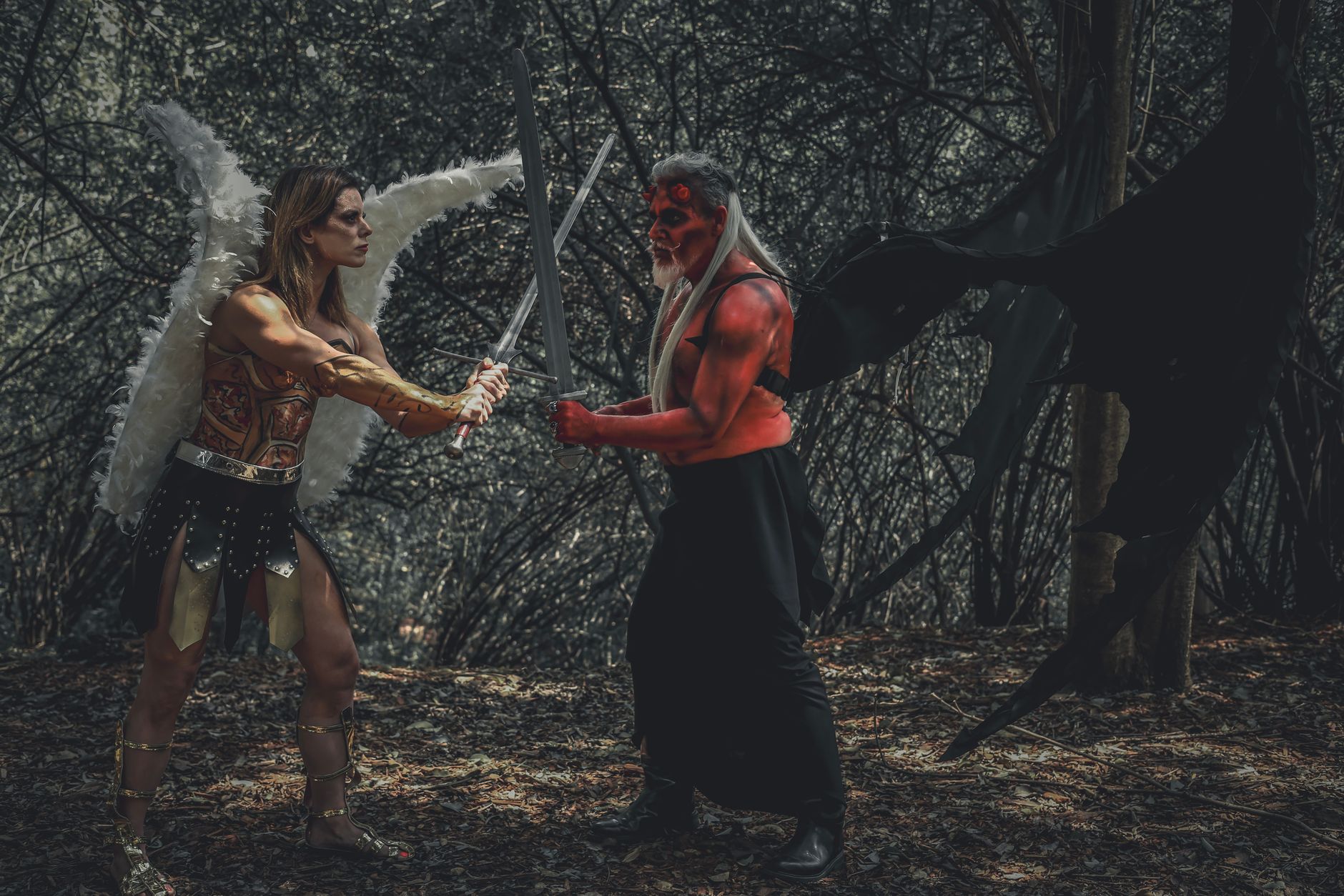
In his analysis for SlashFilm, television critic Witney Seibold examines why the Star Trek franchise incorporated literal demonic entities into its futuristic universe. The retrospective focuses on Star Trek: Deep Space Nine and Star Trek: Strange New Worlds, examining how noncorporeal spirits diverged from standard science fiction tropes. For Malaysian viewers following international science fiction television, understanding these narrative shifts provides essential context for the broader franchise. However, confirmed streaming or television broadcast availability in Malaysia for these Paramount productions has not been stated in the original report.
Key Facts
The production and retrospective details outline how Paramount expanded science fiction television through Star Trek: Deep Space Nine and Star Trek: Strange New Worlds. Paramount produced Star Trek: Deep Space Nine featuring Avery Brooks, Rosalind Chao, and Colm Meaney across a narrative dealing with noncorporeal alien entities. This factual breakdown identifies the core production credits from the report.
| Attribute | Value |
| Franchise | Star Trek |
| Television Series Covered | Star Trek: Deep Space Nine, Star Trek: Strange New Worlds |
| Studio | Paramount |
| Analysis Author | Witney Seibold |
| Publication Date | 1 November 2026 |
| Key Cast Cited | Avery Brooks, Rosalind Chao, Colm Meaney, Max Grodénchik, Nana Visitor, Cirroc Lofton, Marc Alaimo, Terry Farrell, Louise Fletcher |
| Episodes Referenced | The Assignment, The Reckoning, Tears of the Prophets, Through the Lens of Time |
What Are the Pah-wraiths in Star Trek: Deep Space Nine?
Pah-wraiths are noncorporeal entities in Star Trek: Deep Space Nine considered literal demons within Bajoran religious mythology that were banished from the Celestial Temple. In Star Trek lore, Pah-wraiths represent ancient disembodied spirits capable of biological host possession to wage conflict against the wormhole aliens known as the Prophets. The entities possess corporeal hosts to execute hostile actions.
According to Seibold's retrospective, the entities were first introduced during the fifth season of Star Trek: Deep Space Nine in the episode "The Assignment". The narrative saw Keiko O'Brien (Rosalind Chao) return from Bajor's Fire Caves possessed by an entity holding her body hostage to force Chief O'Brien (Colm Meaney) and Rom (Max Grodénchik) to alter the station and threaten the wormhole. Later confrontations, such as in the episode "The Reckoning", featured spiritual clashes involving Major Kira (Nana Visitor) and Jake Sisko (Cirroc Lofton) as opposing hosts.
Why Did Star Trek Introduce Demonic Entities into Science Fiction?
Star Trek introduced demonic possession to expand television conflict into ancient spiritual mythology, challenging the franchise's traditional scientific realism through supernatural narratives. Writer Witney Seibold notes that incorporating malevolent spirits into Star Trek: Deep Space Nine pushed the secular space saga directly into the realm of demon magic. The creative shift sparked enduring debate among science fiction viewers.
In his analysis for SlashFilm, Seibold observed that the narrative turn generated substantial debate among long-time fans who felt the concept clashed with the franchise's technological foundations. Demonic encounters subsequently expanded beyond Deep Space Nine into Star Trek: Strange New Worlds through the incorporeal Vezda in the episode "Through the Lens of Time". Emphasising the tension between utopian science and spiritual fantasy, Seibold noted:
Witney Seibold, SlashFilmIt's wild to think that in the diplomatic, wholly secular, technological utopia of 'Star Trek,' there are still literal demons floating around.
What It Means for Viewers in Malaysia
Malaysian availability for Star Trek: Deep Space Nine and Star Trek: Strange New Worlds has not been confirmed in the source report. Official Malaysian streaming rights and local linear television distribution across services such as Netflix, Prime Video, Astro, or Disney+ Hotstar remain unconfirmed. Viewers in Malaysia currently lack verified platform confirmation.
Neither theatrical distribution through Malaysian cinema operators such as GSC, TGV, MBO, or LFS nor local classification ratings from the Film Censorship Board of Malaysia (LPF) were detailed in the source. Malaysian audiences seeking to stream these specific episodes must await regional licensing confirmations from official franchise distributors.
Common Questions
Frequently asked queries address how the Pah-wraith mythology functions within the wider Star Trek continuity across classic and modern television series. Key narrative questions clarify how incorporeal demons operate within Deep Space Nine, their physical possession indicators, and their subsequent reappearance in Strange New Worlds. The answers below synthesise documented canonical explanations.
When were the Pah-wraiths first introduced in Star Trek: Deep Space Nine?
The Pah-wraiths debuted in the fifth-season episode "The Assignment", where an incorporeal entity possessed Keiko O'Brien after her visit to Bajor's Fire Caves. Chief O'Brien and Rom subsequently uncovered the entity's hostile scheme to destroy the Celestial Temple wormhole.
What physical traits indicate Pah-wraith possession in the series?
Characters possessed by a Pah-wraith display visibly enlarged red irises, as demonstrated when Cardassian military leader Gul Dukat opened an ancient relic. In addition to ocular changes, possessed hosts gain supernatural abilities, including firing dangerous energy blasts.
Do demonic beings appear in other Star Trek productions?
Demonic entities also appear in Star Trek: Strange New Worlds during the episode "Through the Lens of Time". That instalment introduced the Vezda, noncorporeal demons capable of possessing Enterprise crew members within the show's comparatively playful and whimsical storytelling style.
Sources and Methodology
This report evaluates coverage originally published by entertainment outlet SlashFilm on 1 November 2026, authored by television critic Witney Seibold. Editorial evaluation confirmed narrative references and character citations from Paramount television broadcasts without recording any box office or monetary production figures. No currency conversions to Malaysian ringgit were required.
All factual claims derive directly from the primary retrospective article published under SlashFilm's Trekspertise column. Regional distribution parameters for Malaysia were cross-referenced against the provided text, confirming that local cinema dates, censorship classifications, and subscription platform rights remain unannounced.
Related coverage
More Film →Filed under
- #Film
Network · latest from sister sites · Movies is this site