How the Four Star Trek Galactic Quadrants Really Work
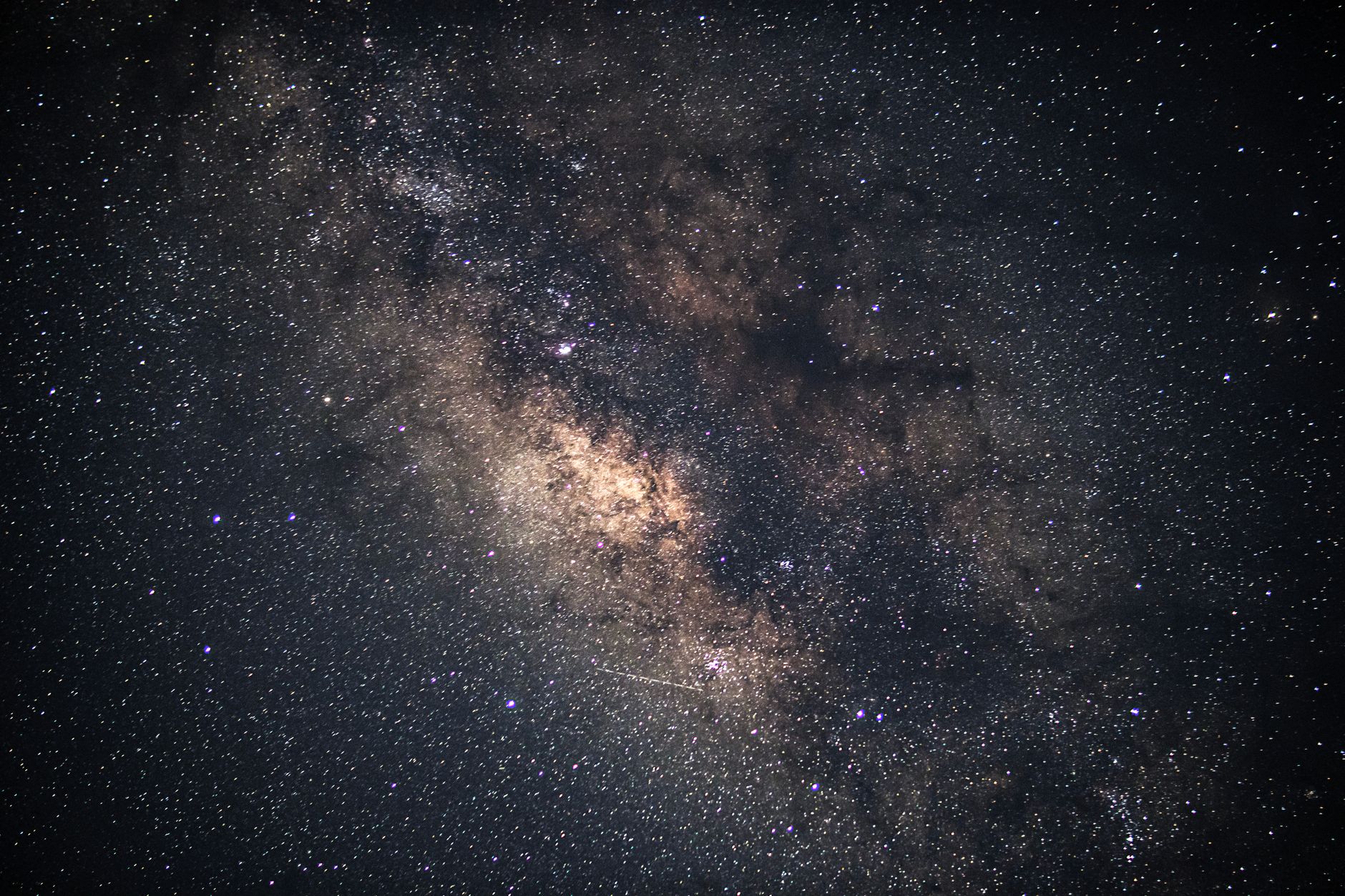
Paramount's long-running Star Trek franchise establishes its fictional universe almost entirely within the Milky Way galaxy, dividing the territory into four distinct sectors known as the Alpha, Beta, Gamma, and Delta Quadrants. Canonical cartography developed across television series such as Star Trek: The Next Generation, Star Trek: Deep Space Nine, and Star Trek: Voyager governs how starships navigate interstellar borders. For viewers in Malaysia tracking the continuity of science fiction television, understanding the franchise's galactic mapping clarifies territorial sovereignty, travel limitations, and the geographical settings that define major interstellar factions from the Federation to distant empires.
Key Facts
| Attribute | Value |
| Franchise | Star Trek |
| Studio / Network | Paramount |
| Coverage Topic | Milky Way Galactic Quadrant Cartography |
| Source Publication Date | 25 October 2026 |
| Source Outlet | SlashFilm |
| Source Author | Witney Seibold |
| Featured Series Mentioned | Star Trek (1966), Star Trek: The Animated Series, Star Trek: The Next Generation, Star Trek: Deep Space Nine, Star Trek: Voyager |
| Featured Feature Films Mentioned | Star Trek V: The Final Frontier (1989), Star Trek: Insurrection (1998) |
How Is the Milky Way Divided in Star Trek Lore?
Stellar cartographers in the Star Trek universe partition the Milky Way galaxy into four equal sections named Alpha, Beta, Gamma, and Delta. Crossed by a vertical meridian and a horizontal meridian, the map is viewed top-down without accounting for a Z-axis, creating a flat two-dimensional grid for galactic navigation.
On-screen canonical maps remain infrequent throughout the franchise. Key visual representations appeared inside the astrometrics lab aboard the USS Voyager and on a Personal Access Display Device (PADD) prop shown in the 1998 film Star Trek: Insurrection. When viewed from the top down, the quadrants occupy counter-intuitive positions: the Alpha Quadrant sits on the lower left, the Beta Quadrant on the lower right, the Gamma Quadrant on the upper left, and the Delta Quadrant on the upper right.
Canonical maps divide the Milky Way into four equal quadrants viewed two-dimensionally from above, with the Alpha Quadrant positioned on the lower left.
Where Are Earth, the Federation, and Major Empires Situated?
The vast majority of Star Trek storylines unfold within the Alpha and Beta Quadrants. Earth is located in the Alpha Quadrant on the Orion Arm, approximately 26,000 light-years from the galactic core, while also resting close to the formal boundary dividing the Alpha and Beta sectors.
According to The Star Trek Encyclopedia, founding members of the United Federation of Planets, including Humans, Vulcans, and Andorians, originate across the Alpha and Beta Quadrants. Rival galactic powers such as the Klingon Empire and Romulan Star Empire occupy territories situated primarily within the Beta Quadrant. Exploration outside these sectors relies on extraordinary circumstances: a stable wormhole discovered in Star Trek: Deep Space Nine provides transit to the Gamma Quadrant, whereas Star Trek: Voyager strandings occur in the Delta Quadrant, approximately 70 years away at standard travel velocities.
The United Federation of Planets, the Klingon Empire, and the Romulan Star Empire reside almost entirely within the Alpha and Beta Quadrants.
When Did Galactic Quadrant Measurements Become Franchise Canon?
Galactic measurements became standardised during the early 1990s following production on Star Trek: The Next Generation. Before that period, franchise scripts used the term quadrant loosely, often playing fast and loose with interstellar distances and travel times across deep space.
Larry Nemecek, author of the Star Trek: The Next Generation Companion, confirmed on the Mission Control podcast that the season-three episode "The Price" marked the first instance where Alpha and Beta quadrants served as a cartographic method for dividing the entire galaxy. A production map was subsequently integrated into a writer's technical manual. While earlier stories such as the 1973 animated episode "The Magicks of Megas-Tu" and the 1989 feature film Star Trek V: The Final Frontier saw vessels reach the galactic centre in days, conventional rules establish that traveling to Sagittarius A* requires over 17 years at warp 9.
Consistent cartographic distances and quadrant boundaries were formally codified in a writer's technical manual during the third season of Star Trek: The Next Generation.
What It Means for Viewers in Malaysia
The source documentation focuses exclusively on fictional cartography and narrative continuity across legacy Star Trek television and feature film productions. Malaysian cinema release dates, local theatrical distribution through chains such as GSC, TGV, or MBO, and Film Censorship Board of Malaysia (LPF) classifications are not applicable to this analysis.
Specific streaming platform availability for these legacy catalog titles across Malaysian subscription services—such as Netflix, Prime Video, Disney+ Hotstar, or local providers—has not been confirmed in the source report. Malaysian audiences seeking to reference canonical galactic geography can consult established print references such as The Star Trek Encyclopedia and the Star Trek: The Next Generation Companion.
Malaysian streaming distribution and broadcast availability for the referenced Star Trek titles have not been confirmed in the source material.
Common Questions
Which quadrant contains Earth in Star Trek?
Earth is situated in the Alpha Quadrant on the Milky Way's Orion Arm, roughly 26,000 light-years from the galactic centre, while sitting directly adjacent to the Beta Quadrant border.
How are the four quadrants arranged visually?
When viewed from the top down, the Alpha Quadrant occupies the lower left, the Beta Quadrant the lower right, the Gamma Quadrant the upper left, and the Delta Quadrant the upper right.
How long does normal warp travel take to reach the galactic core?
Traveling from Earth to the supermassive black hole Sagittarius A* at the centre of the galaxy would require more than 17 years when operating continuously at Next Generation-era warp 9.
Sources and Methodology
This report synthesises production history and narrative analysis published by Witney Seibold for SlashFilm on 25 October 2026. Factual references regarding production manuals draw from historical commentary by author Larry Nemecek on the Mission Control podcast, alongside reference material from The Star Trek Encyclopedia. Information was verified on 25 October 2026. No foreign currency conversions were required as no financial figures were cited in the underlying material.
Related coverage
More Film →Filed under
- #Film
Network · latest from sister sites · Movies is this site